


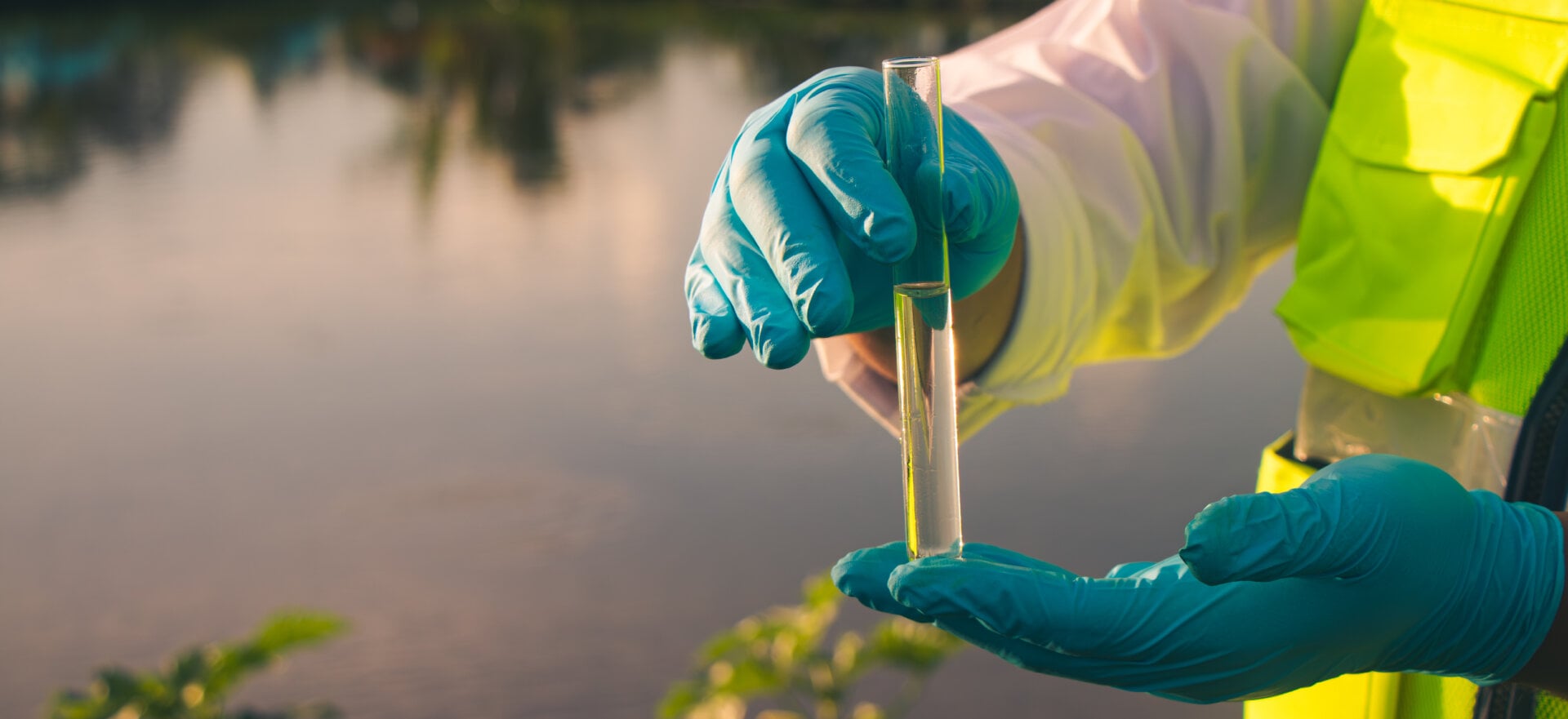
Physicochemical treatment is an essential stage in many industrial wastewater treatment systems.
Its main function is to reduce suspended solids, oils and fats, turbidity, and the particulate and colloidal fractions of COD, preparing the effluent for biological treatment, reuse or discharge.
It is particularly relevant in industries where the effluent is highly variable or contains contaminants that may compromise subsequent process stages.
The main control parameters include:
» pH and alkalinity
» Type and dosage of coagulants and flocculants
» Mixing conditions and reaction time
» Hydraulic and mass loading
» Recirculation rate and saturation pressure in DAF systems
» Quality of instrumentation and automation
Treatability tests, such as jar tests, make it possible to select the most suitable reagents, optimize dosages and reduce chemical consumption.
In applications with a significant presence of light solids, fibers, oils and fats, dissolved air flotation (DAF) is often one of the most effective solutions, providing high separation efficiency within a compact footprint.
When correctly designed and operated, physicochemical treatment makes it possible to:
» Reduce the pollutant load
» Protect biological processes
» Improve operational stability
» Reduce non-compliance risks
» Increase the plant’s overall efficiency
More than a separation stage, physicochemical treatment is a fundamental tool for ensuring robustness, flexibility and control in industrial effluent treatment.