


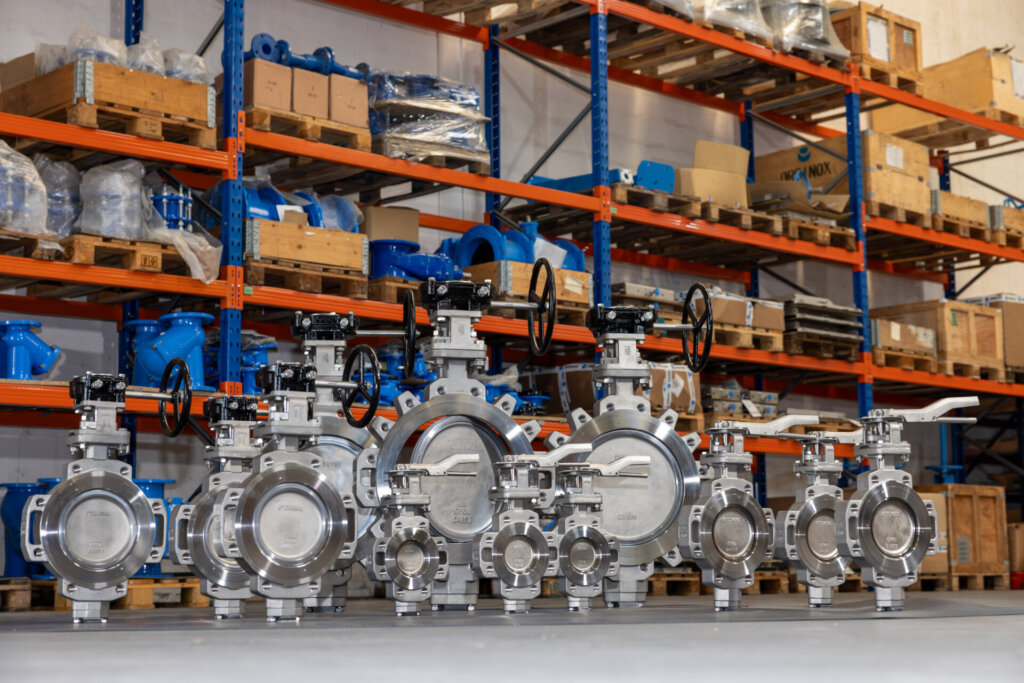
KLINGER Portugal supports pulp and paper plants with engineered valves andexpansion joints that deliver reliability in extreme process conditions.
In a pulp and paper mill, the most critical moments rarely occur during commissioning. They emerge months or years later, when production runs at full load, temperatures peak, and aggressive media circulate through the system. At that point, reliability is no longer a design objective – it becomes decisive for uptime, safety, and cost control.
For plant operators, the difference between stable operation and an unplanned shutdown often lies in components that receive little attention once installed. Valves and expansion joints are among them. When correctly engineered, they remain invisible. When they fail, they immediately affect productivity, maintenance effort, and operational continuity.
This reality shapes the way KLINGER Portugal works with pulp and paper plants. Active in the industry since its early days, the company supports several projects per year – each different in scope yet sharing one requirement: components must perform reliably in conditions where failure is not an option.
Where operational risks often arise
Valves and expansion joints rarely become critical because of their basic function. Instead, weaknesses emerge from the process conditions in which they operate.
Aggressive liquors, crystallization in evaporation processes, abrasive media in causticization, and extreme thermal cycling near recovery boilers place sustained stress on materials and designs. In these conditions, even minor deviations in material choice or internal valve design can have significant long-term effects.
One of the most common challenges in pulp and paper applications is incorrect material selection or unsuitable valve seat designs. While such choices may appear acceptable during procurement, their consequences surface during operation. “Unstable behavior, excessive pressure losses, accelerated wear, or unexpected shutdowns are typical outcomes – each with direct implications for plant safety, maintenance effort, and production output,” says Helder Almeida, Sales Manager for Fluid Control and Sealing Solutions at KLINGER Portugal.
Engineering decisions that reduce downstream impact
To mitigate these risks, KLINGER Portugal focuses on early involvement during the specification phase. Rather than addressing individual components in isolation, plant processes are evaluated as a whole – considering media characteristics, pressure, temperature, thermal cycles, vibration, and regulatory requirements together.
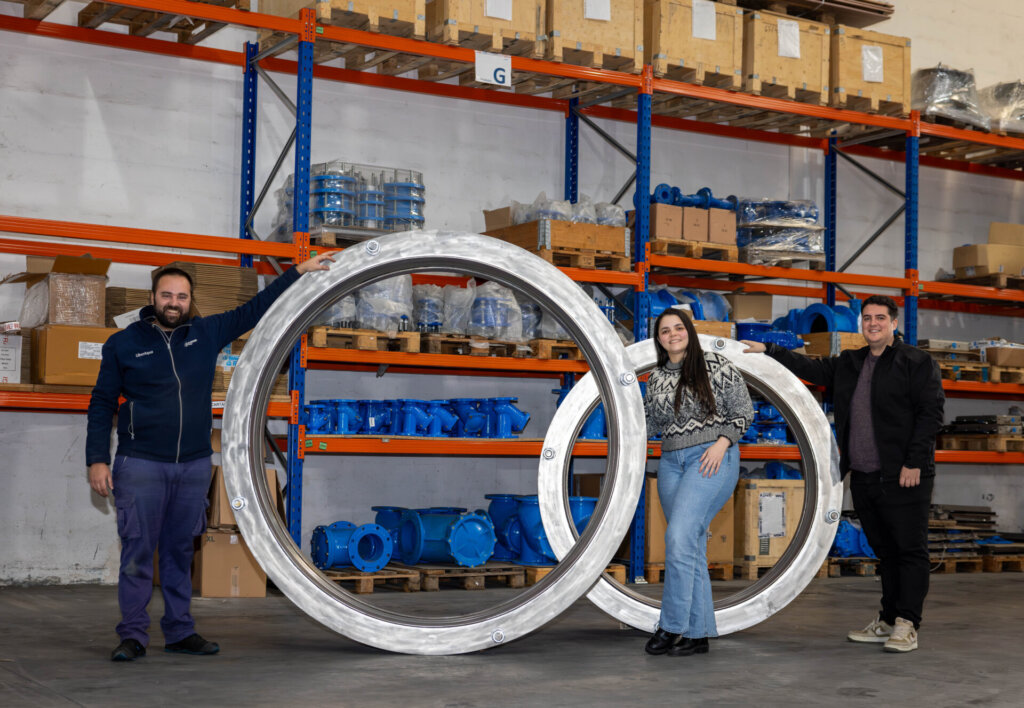
This approach proved decisive in a recent recovery boiler project, where large-diameter metallic expansion joints (DN 1100, DN 1300, DN 1700) were installed in evaporation gas extraction ducts. Operating in high temperatures and vibration, these joints had to absorb movement without transferring excessive loads to connected piping. Dimensional calculations and vibration analyses by expansion joint specialists from the manufacturer, KLINGER Turkey, formed the basis for technical approval and long-term operational stability. For the plant operator, this upfront engineering reduced the risk of installation conflicts and premature component fatigue.
Valves that quietly do their job
The same benefit-driven logic applies to valve applications across other projects. In evaporation systems handling black liquor, ball and butterfly valves made from exotic alloys were selected to withstand crystallization and chemical attack. In bleaching areas, lined ball valves were used to manage corrosive media while ensuring tight shut-off and predictable performance.
When these components perform as intended, they attract little attention. Their value becomes evident over time – through uninterrupted operation, reduced maintenance interventions, and consistent process control.
The twist
Perhaps the clearest indicator of success in pulp and paper plants is the absence of incidents. No emergency calls during peak production. No unplanned shutdowns caused by component failure. No rapid replacements under pressure. The system simply runs. “In pulp and paper plants, reliability does not happen by chance. It is engineered by understanding the process, selecting the right materials, and considering the system as a whole rather than individual parts,” says Helder. By supporting plant engineers from specification through operation and ongoing MRO activities, KLINGER Portugal helps transform technical complexity into operational continuity – an advantage that directly supports competitiveness in a demanding industry.